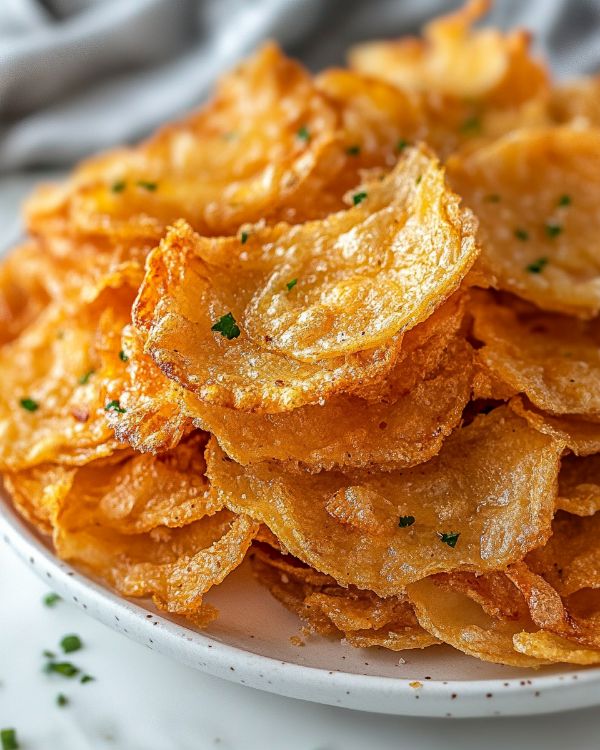
Crispy onion cheddar chips are a delightful low-carb snack that combines the savory flavors of sharp cheddar cheese with the subtle sweetness of onions. This recipe is perfect for those who are looking to indulge in a crunchy treat without the guilt of high-carb options. Inspired by the classic flavors of French onion soup, these chips bring a gourmet twist to your snacking routine. They're easy to make and require just a few ingredients, making them a convenient choice for anyone looking to enjoy a quick and satisfying snack.
These crispy onion cheddar chips pair wonderfully with a fresh green salad or a bowl of hearty soup. They can also be served alongside a charcuterie board, adding a crunchy texture to the assortment of meats and cheeses. For a more casual setting, enjoy them with your favorite low-carb dip, such as guacamole or a creamy spinach dip.
Low Carb Crispy Onion Cheddar Chips
Servings: 4
Ingredients
1 cup shredded sharp cheddar cheese
1/4 cup finely chopped green onions
1/2 teaspoon garlic powder
1/4 teaspoon onion powder
1/4 teaspoon black pepper
Directions
Preheat your oven to 400°F (200°C) and line a baking sheet with parchment paper.
In a mixing bowl, combine the shredded cheddar cheese, chopped green onions, garlic powder, onion powder, and black pepper.
Place small mounds of the cheese mixture onto the prepared baking sheet, spacing them about 2 inches apart.
Flatten each mound slightly with the back of a spoon to form a thin circle.
Bake in the preheated oven for 8-10 minutes, or until the edges are golden brown and the cheese is bubbly.
Remove from the oven and let the chips cool on the baking sheet for a few minutes before transferring them to a wire rack to cool completely.
Variations & Tips
For a spicier version, add a pinch of cayenne pepper or red pepper flakes to the cheese mixture. You can also experiment with different types of cheese, such as Parmesan or a blend of your favorites, to create a unique flavor profile. If you prefer a milder onion flavor, substitute the green onions with chives. These chips can be stored in an airtight container for up to a week, maintaining their crispiness for a convenient snack option.
This brings back Sunday dinners without the carb overload. Comforting and foolproof
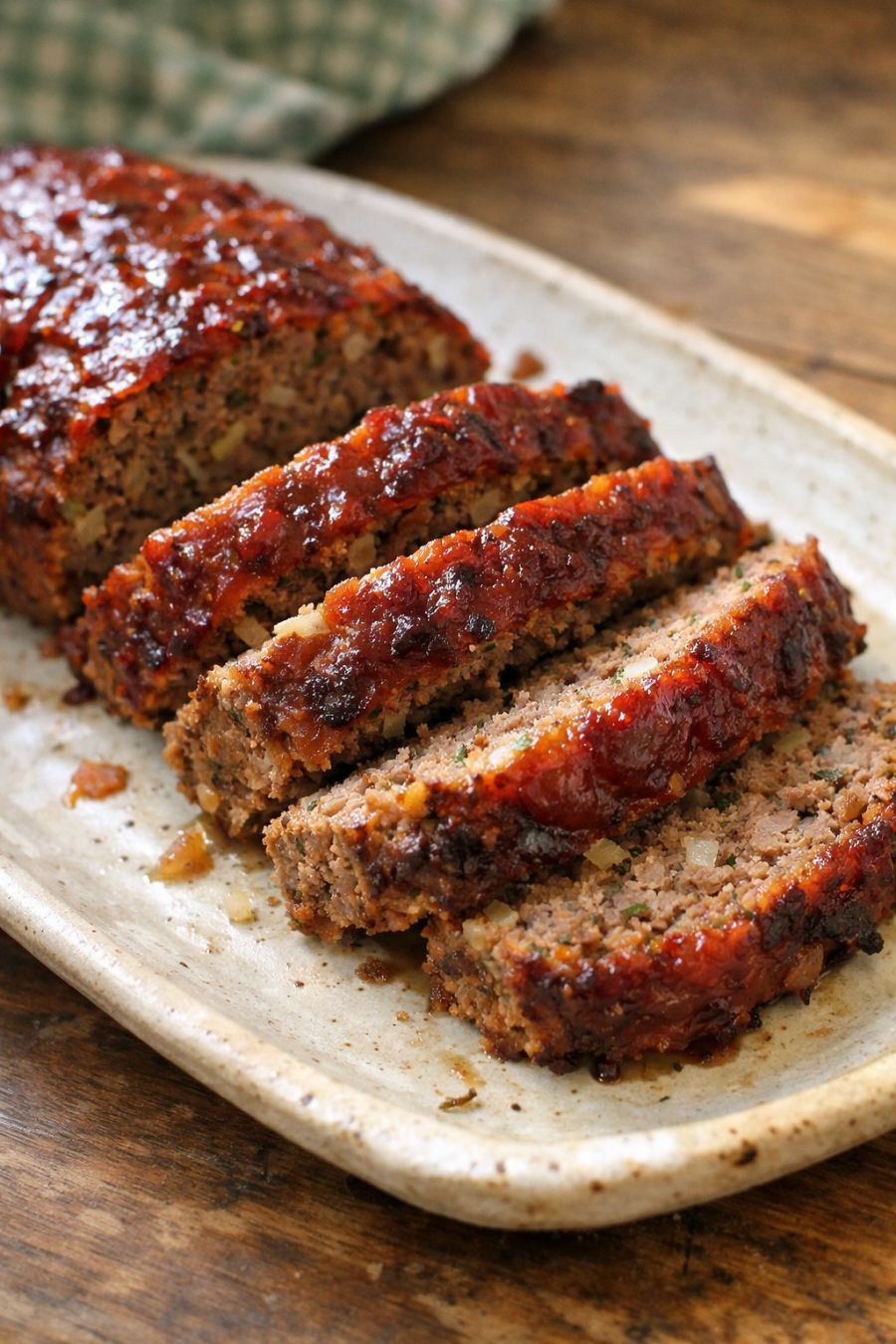
This 6-ingredient low carb meatloaf is one of those weeknight heroes I lean on when work runs late but I still want something cozy and homemade. It keeps all the classic meatloaf comfort—juicy beef, savory seasoning, a little tangy sweetness on top—without the usual breadcrumbs or sugary glaze. Meatloaf has always felt like the ultimate Midwest comfort food to me; it’s what my mom made on chilly nights when we’d all crowd around the table and compare our days. This version is stripped down and streamlined, so you can toss it together in about 10–15 minutes and let the oven do the rest. It’s great for anyone watching carbs, doing a low-sugar reset, or just trying to simplify dinner without sacrificing flavor.
This meatloaf loves simple, veggie-heavy sides. I usually serve it with roasted broccoli or green beans tossed in olive oil, salt, and pepper—just throw them on a sheet pan alongside the meatloaf for the last 20 minutes. Cauliflower mash or a quick side salad with mixed greens, cherry tomatoes, and a light vinaigrette also pair really well and keep things low carb. If you’re cooking for family members who aren’t watching carbs, you can add a side of mashed potatoes or a small portion of rice while you keep your plate lighter. Leftovers are fantastic sliced and reheated with a fried egg on top for an easy next-day lunch or breakfast-for-dinner moment.
Simple 6-Ingredient Low Carb Meatloaf
Servings: 6
Ingredients
2 pounds ground beef (80–90% lean)
2 large eggs
1 cup finely grated Parmesan cheese
1/2 cup unsweetened ketchup or low-sugar ketchup, divided
1 tablespoon Worcestershire sauce
1 1/2 teaspoons salt and 1 teaspoon black pepper (to taste)
Directions
Preheat your oven to 350°F (175°C). Line a loaf pan with parchment paper or lightly grease it to make cleanup easier.
In a large mixing bowl, combine the ground beef, eggs, grated Parmesan, 1/4 cup of the ketchup, Worcestershire sauce, salt, and pepper.
Use clean hands or a sturdy spoon to gently mix until everything is just combined. Try not to overmix, or the meatloaf can become dense.
Transfer the mixture to the prepared loaf pan and press it in evenly, smoothing the top with your hands or the back of a spoon.
Spread the remaining 1/4 cup ketchup evenly over the top of the meatloaf to create a simple low-sugar glaze.
Bake for 55–65 minutes, or until the internal temperature reaches 160°F (71°C) and the top is nicely set and slightly browned.
Remove from the oven and let the meatloaf rest in the pan for 10 minutes. This helps it firm up so it slices cleanly and stays juicy.
Slice and serve warm. Store leftovers in an airtight container in the fridge for up to 4 days, or portion and freeze for easy future meals.
Variations & Tips
To sneak in extra veggies without adding carbs, mix in 1/2–3/4 cup very finely chopped mushrooms, spinach, or bell pepper (they’ll help keep the meatloaf extra moist). If you prefer a different protein, you can swap half of the ground beef for ground turkey or pork, just keep the total amount at 2 pounds. For a slightly spicier version, add a pinch of red pepper flakes or a teaspoon of your favorite hot sauce to the mixture. If you’re strict low carb or keto, double-check that your ketchup and Worcestershire sauce are low in added sugars, or use a sugar-free ketchup. For meal prep, bake the meatloaf on Sunday, then slice it and pack it with roasted veggies in individual containers—meatloaf reheats really well in the microwave or oven. You can also form the mixture into muffin-tin “mini loaves” and bake for 20–25 minutes for faster cook time and built-in portion control.
Energy Secretary Says Gas Prices Could Drop Within Weeks Amid Iran Conflict
The layout looks like a cable-news chyron brought to life: headline in gold serif — “Energy Secretary Says Gas Prices Could Drop Within Weeks Amid Iran Conflict” — above a triptych of Trump mid-remark, Schumer at a mic, and Jeffries at a House backdrop. It’s the kind of image that pops up in feeds right after a pump-price spike, when drivers are already anxious and prone to share anything that promises relief. The headline offers a rare bit of good news (“drop”) with an urgent timetable (“weeks”) and a delicate setting (“amid Iran conflict”) — a combination that invites clicks from left, right, and center.
What’s real: U.S. gasoline prices are sensitive to Middle East risk, especially any threat to Strait of Hormuz traffic. During the June 2025 Israel–Iran flare-up, pump prices rose on fears of supply disruption. And in July 2024, Energy Secretary Chris Wright gave interviews suggesting the administration’s policy mix — strategic reserves discipline, refinery utilization, permitting — was aimed at stable prices. He spoke in cautious paragraphs, not guarantees.
What’s missing: no public remarks this week by Wright used the precise sentence the graphic attributes to him. The DOE did hold a press availability about seasonal refinery maintenance and global crude balances; Wright said prices “could stabilize” if the region avoided escalation, and he said the department was “monitoring” markets. Those hedges disappeared in the screenshot. Trump, Schumer, and Jeffries appear because they’re recognizable faces — not because each reacted to a new Energy Department forecast. The photo collage turns three separate realities into one implied briefing.
Energy reporters track four factors when prices move fast: crude futures, refinery throughput, inventories, and geopolitical risk premium. The Iran file affects the last of those and, if Hormuz were blocked, the first. Analysts this week say there is a “risk premium” baked into crude, but not a shortage; a de-escalation would let prices ease, possibly within weeks. That nuance — “risk premium may fall if nothing else goes wrong” — is exactly the part that shrinks to “could drop” when a graphic needs to travel.
The DOE press office declined to comment on the meme’s wording. A spokesperson said the secretary’s full remarks are posted on Energy.gov. Regular readers of that page know they aren’t typically headline-ready. Which is why the screenshot exists: it translates “we are monitoring several variables” into “relief soon,” and it lets drivers feel, for a moment, that someone in Washington has a lever. The image isn’t an announcement. It’s a mood board — and it spreads because moods beat spreadsheets every time.
I just cut into the main course my friend spent hours making for our dinner party, but the texture looks off and the color is worrying. I don't want to be rude, but I also don't want to get sick. What
Dinner parties are a timeless tradition, offering a unique opportunity for friends and family to gather, share stories, and enjoy a lovingly prepared meal. It's a chance for the host to showcase their culinary skills, often putting in hours of preparation to ensure everything is perfect. However, as a guest, there can be moments when something seems amiss with the food in front of you.
Imagine cutting into the main course—a dish your friend has spent hours crafting—only to find the texture is strange and the color is concerning. Your instincts tell you something might be wrong. While you don’t want to offend your host, your health is also a priority. How do you navigate this delicate situation without compromising your safety or your friendship?
1. Take A Quiet, Honest Look At What’s On Your Plate
Before making any judgments, quietly observe the food on your plate. Take note of the color, texture, and aroma. For instance, if it's a piece of chicken, the meat should be white or slightly pinkish, not red or translucent. The texture should be firm, not overly soft or rubbery.
Use your senses to detect any off-putting smells or unusual appearances. Sometimes, what looks worrying might just be an uncommon but safe variation of a dish. If it’s possible to do so discreetly, compare your portion with others at the table to see if it’s a consistent issue or just a one-off piece.
2. Know The Red-Flag Signs Of Undercooked Or Unsafe Chicken
Undercooked chicken can pose a significant health risk, so it’s vital to recognize the signs. Raw or undercooked chicken often appears shiny and pink with a gelatinous texture. It should not bleed or have a strong, unpleasant odor.
According to the USDA, chicken should reach an internal temperature of 165°F (74°C) to be considered safe to eat. If you notice that the chicken is still pink or there are blood spots, these are red flags that the chicken might not be fully cooked.
3. Pause Before You Swallow: The First Thing To Do If You’re Worried
If you have taken a bite and notice something is off, pause before swallowing. This is crucial for preventing potential ingestion of harmful bacteria. Discreetly use your napkin if you need to remove the food from your mouth.
Once you've paused, take a moment to assess the situation. Trust your instincts; if something feels wrong, it’s better to err on the side of caution.
4. Use Polite Curiosity To Ask How The Dish Was Cooked
Approaching the situation with curiosity rather than accusation can help maintain the social harmony. You might ask your friend about the recipe or how they prepared the dish, showing interest in their cooking process.
For example, you could say, "This chicken has a unique flavor. How did you cook it?" This opens up the conversation and gives your host a chance to explain their method, which might provide reassurance or confirm your concerns.
5. Discreetly Check The Kitchen: Thermometers, Juices, And Reheating
If possible, offer to help in the kitchen, which can give you a chance to discretely check the cooking methods or utensils your friend used. Look for a meat thermometer—if you see one, this might indicate that temperature was checked.
Check the juices on your plate; they should run clear, not pink or red. If you have serious doubts, suggest reheating your portion, citing personal preference for thoroughly cooked food.
6. How To Stop Eating Without Insulting Your Host
Should you decide it's best not to continue eating, it’s important to do so gently. You might mention that you had a large lunch or that you’re saving room for dessert. Compliment the other elements of the meal to show appreciation for your host’s efforts.
Another tactic is to subtly move the food around your plate to make it appear as though you’ve eaten more than you actually have, thus avoiding drawing attention to your lack of appetite.
7. What To Say If The Chicken Is Clearly Undercooked Or Unsafe
If the chicken is clearly undercooked, it’s important to address it with tact. You might say, "I think my piece might be a bit undercooked. I just wanted to mention it in case any others are the same." This way, you’re looking out for the group’s well-being while not directly criticizing the host’s cooking.
Frame your concern as a precaution rather than an accusation, which helps to preserve your friend’s feelings and the mood of the evening.
8. Balancing Social Grace With Your Responsibility To Other Guests
As a guest, you have a responsibility to both your host and your fellow diners. Balancing these can be tricky, but it’s essential to act if you suspect a health risk. Addressing the issue privately with your host might be the best approach, allowing them to decide how to handle the situation.
Express your concern in a way that prioritizes everyone’s health, such as, "I’m sure this wasn’t intentional, but I wanted to mention it to keep everyone safe."
9. What To Do If You’ve Already Eaten Some
If you’ve already consumed some of the questionable dish, monitor for any symptoms of foodborne illness, such as nausea, vomiting, or diarrhea. Stay hydrated and seek medical attention if symptoms become severe.
It’s also wise to inform your host privately of your concerns, not only for your health but also to potentially prevent others from experiencing the same issue.
10. How To Follow Up After The Dinner Party
After the event, it’s courteous to reach out to your friend. Thank them for hosting and express appreciation for the effort they put into the meal. If there was an issue with the food, it’s okay to gently bring it up, especially if it resulted in illness.
Approach it from a place of concern and gratitude, saying, "Thank you again for a lovely evening. I just wanted to mention I felt a bit unwell afterwards and thought it might be helpful to bring it up in case others experienced something similar."
11. Ways To Avoid This Situation At Future Gatherings
To prevent similar scenarios in the future, consider suggesting potlucks where everyone brings a dish, reducing the pressure on the host and providing a variety of options. Alternatively, you could offer to help with the meal preparation, allowing you to ensure everything is cooked to a safe standard.
Encourage open communication about dietary preferences and cooking methods among your group of friends, fostering an environment where everyone feels comfortable discussing their needs and concerns.
10 brilliant ways to use tension rods around the house
Tension rods, often seen as simple tools for hanging curtains, have a multitude of uses throughout the home that extend far beyond their original purpose. These versatile and adjustable rods can transform and organize spaces with minimal effort, making them indispensable for creative home solutions. Whether you're dealing with small spaces, aiming to organize clutter, or just looking to add a touch of style, tension rods can be your go-to solution.
In this article, we'll explore ten brilliant ways you can utilize tension rods to enhance functionality and organization in your living spaces. From creating additional storage in tight places to transforming the look and feel of a room, these ideas will inspire you to think outside the box when it comes to using tension rods around the house.
1. Create Instant Under-Sink Storage Shelves
The area under the sink is often underutilized due to awkward plumbing configurations. By installing a tension rod, you can create a convenient storage solution without needing tools or a permanent installation. For example, place a tension rod horizontally across the width of the cabinet, ensuring it's snug and secure. You can then hang spray bottles of cleaners from the rod, freeing up space below for other items or a small basket for additional storage. Adjust the height of the rod to accommodate different bottle sizes, typically around 12 to 18 inches from the bottom of the cabinet.
2. Add Extra Hanging Space In Closets
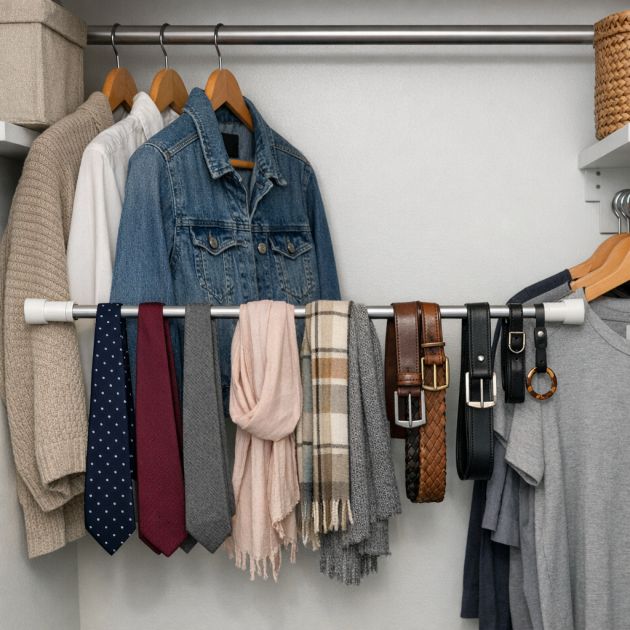
Closets often lack sufficient hanging space, especially for small items like scarves, ties, or belts. A tension rod can easily be added to any closet to create an additional tier for hanging. Simply position the rod parallel to the existing hanging bar, about 1 to 2 feet below. This setup is perfect for hanging shorter items or creating a dedicated section for accessories. It's a flexible solution that can be adjusted as your storage needs change.
3. Organize Baking Sheets, Lids, And Cutting Boards
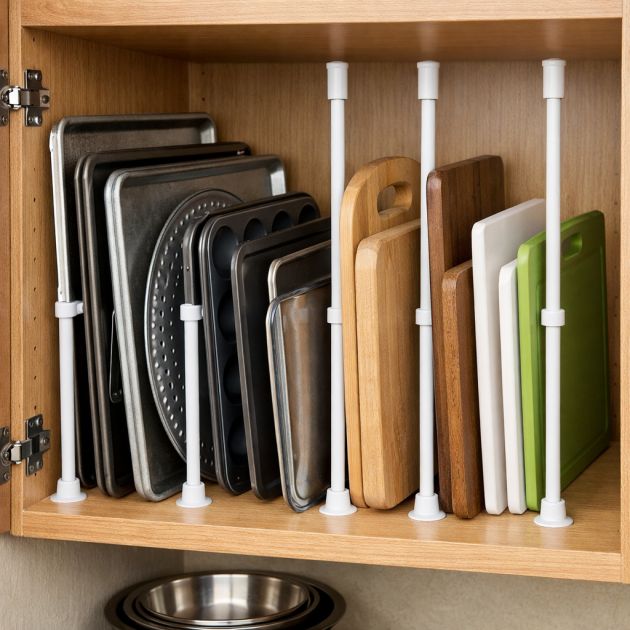
Keeping baking sheets, lids, and cutting boards organized can be a challenge. A tension rod can act as a vertical divider within a cabinet, allowing you to store these items upright and easily accessible. Install one or more tension rods vertically within a cabinet to create narrow slots that hold items like cutting boards and baking sheets. This method not only maximizes space but also prevents items from toppling over when you open the cabinet.
4. Corral Cleaning Supplies In Cabinets And Laundries
Cleaning supplies are often scattered and hard to access, especially in small spaces. By installing a tension rod within a cabinet or laundry room, you can keep cleaning tools organized and within easy reach. Place the rod at the top of a cabinet and hang items like dusters, spray bottles, and cloths. This keeps them off the ground and organized, ensuring that you can quickly grab what you need when it's time to clean.
5. Build Makeshift Shoe Racks And Entryway Organizers
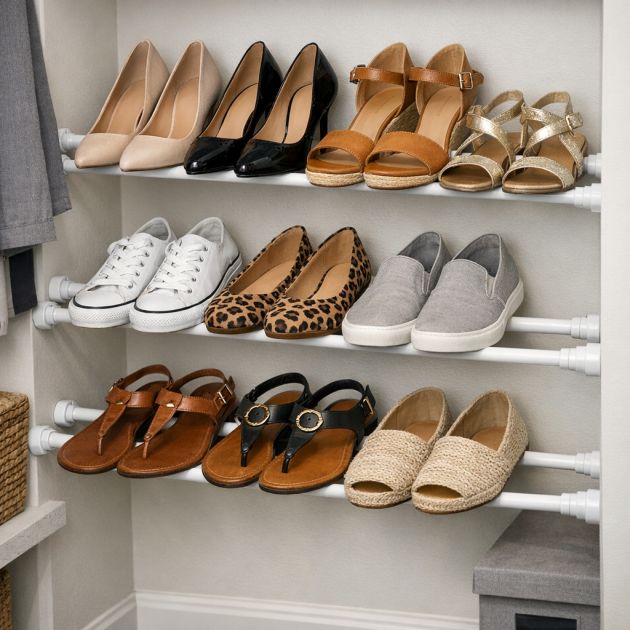
If you're constantly tripping over shoes in your entryway or closet, tension rods can help create an organized shoe rack. Install two or three tension rods horizontally between walls or shelves, with each rod spaced about 6 to 8 inches apart. This setup allows you to rest shoes on the rods, keeping them off the floor and neatly arranged. It’s an excellent solution for flats, sandals, or even heels, and can be adjusted to fit different sizes and styles.
6. Hang Curtains, Room Dividers, And Privacy Screens
Tension rods are ideal for hanging curtains or room dividers, especially if you're renting and looking to avoid drilling holes. They can be used in doorways or between open spaces to create instant privacy or divide a room into separate areas. Simply extend the rod to fit snugly within the desired space, ensuring it's secure enough to hold the weight of the curtain or screen. This is a quick and easy way to change the dynamics of a room without permanent alterations.
7. Tidy Up Kids’ Spaces, Toys, And Craft Corners
Children's play areas and craft corners can quickly become cluttered. A tension rod can act as a simple organizational tool to keep these spaces tidy. For instance, install a rod under a desk to hang small buckets or containers filled with craft supplies like markers, scissors, and glue. In a playroom, use a tension rod between two shelves to hang baskets for toy storage. This method keeps items organized and off the floor, making cleanup a breeze.
8. Maximize Vertical Space In Showers And Bathrooms
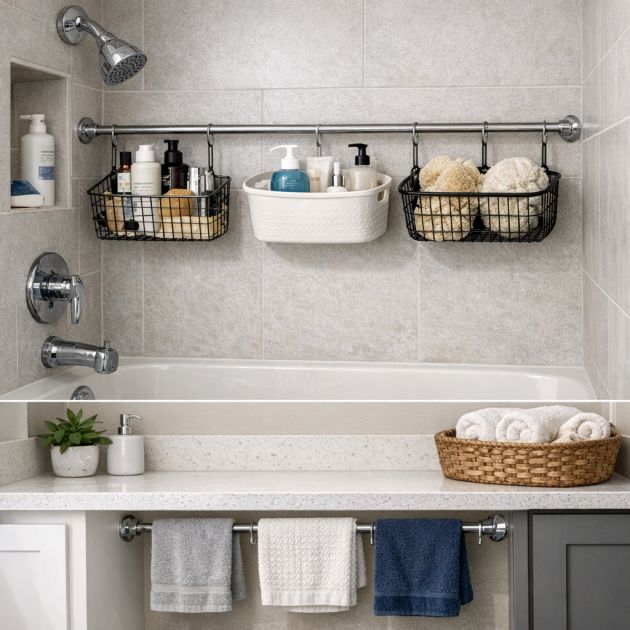
Tension rods can also be used in bathrooms to maximize vertical space and keep items within easy reach. Install a tension rod along the back wall of your shower to hang baskets or caddies for storing toiletries like shampoo, soap, and loofahs. This approach keeps the shower floor clear and reduces clutter. Additionally, you can place a tension rod just below the bathroom counter to hang hand towels or washcloths, ensuring they dry quickly and are always accessible.
9. Turn Cabinets And Pantries Into Mini Command Centers
Transform a cabinet or pantry into a mini command center using a tension rod. Install a rod across the back of the cabinet door to hang items like clipboards, small baskets, or even a chalkboard for notes and lists. This setup keeps important information and tools visible and organized, making it easy to manage shopping lists, meal plans, or schedules. It's an efficient way to make the most of vertical space and keep everything you need in one convenient location.
10. Style Decorative Displays Without Drilling Walls
If you're looking to display artwork, photos, or decorations without damaging your walls, tension rods offer a perfect solution. Stretch a rod across a window frame or alcove and use clips to hang your artwork or decorative items. This method allows you to easily change displays whenever you like, without the commitment of nails or hooks. It’s a versatile option for seasonal decorations or showcasing kids’ artwork in a playful and dynamic way.
Senator markwayne mullin on being selected to be the next secretary of homeland security
President Trump has once again shown decisive leadership by selecting Senator Markwayne Mullin to lead the Department of Homeland Security. After delivering the most secure border in modern history during his first term, President Trump continues prioritizing American safety and sovereignty. Mullin, a proven fighter from Oklahoma with a no-nonsense approach, is exactly the kind of patriot needed to keep advancing this critical mission.
Mullin's statement hits the mark perfectly—honoring the incredible progress already made on law and order while committing to defend our homeland against threats both foreign and domestic. His background as a former MMA champion and straight-talking senator means he'll bring real toughness to deporting criminals, securing our borders, and putting Americans first. No more weak policies or excuses.
This move reinforces that President Trump's agenda remains unstoppable. With Mullin stepping up effective March 31, 2026, we can expect even stronger enforcement, faster results, and a DHS that truly works for the people—not special interests or open-border advocates. America First is back and stronger than ever.
al green and others are calling for president trump to be impeached amid the ongoing conflict with iran
The radical left is at it again, screeching for President Trump's impeachment because he had the backbone to strike Iran's nuclear facilities and finally eliminate the threat of a terrorist regime armed with atomic weapons. After years of weak diplomacy that let Tehran inch closer to the bomb, Trump acted decisively alongside Israel to protect America and our allies—no endless apologies, no waiting for permission from gridlocked Congress while the mullahs built their arsenal. These same Democrats who cheered endless wars under past administrations now pretend to care about "constitutionality" when a strong leader finally delivers results. The strikes took out Supreme Leader Khamenei and crippled their program, saving countless American lives down the road. Yet the outrage machine revs up with predictable calls for removal, ignoring how close we came to facing a nuclear Iran on their watch.
President Trump promised peace through strength, and that's exactly what he delivered. The American people elected him to end threats, not coddle tyrants. This impeachment noise is just another desperate partisan ploy from a party that would rather see weakness than victory. Stand strong—America First means no retreat from evil.
Doctors Reveal What Happens to Your Body When You Eat Chayote Regularly
Chayote, also known as vegetable pear or Sechium edule, is a mild-flavored squash that has long been used in traditional cuisines across Asia and Latin America. In recent years, nutritionists and doctors have drawn attention to this humble vegetable because of its impressive nutritional profile and potential health benefits.
Research shows that regularly eating chayote may support heart health, digestion, immunity, and even healthy blood sugar levels. Below are some of the scientifically supported effects doctors say can occur when chayote becomes part of your regular diet.
For illustrative purposes only
1. Your Body Gets a Boost of Essential Nutrients
One of the biggest reasons doctors recommend chayote is its high nutritional value despite being very low in calories. A single medium-sized chayote contains about 39 calories, 3 grams of fiber, and 2 grams of protein, along with many essential vitamins and minerals.
Chayote is particularly rich in:
Vitamin C
Folate
Vitamin B6
Potassium
Copper and manganese
These nutrients play crucial roles in supporting immune health, nerve function, metabolism, and cell growth.
Because it provides many nutrients without excess calories or fat, doctors often recommend chayote as part of balanced diets aimed at improving overall health.
2. It May Support Heart Health
Cardiovascular disease remains one of the leading causes of death worldwide, and diet plays a major role in prevention. Doctors point out that chayote contains antioxidants and fiber that may help protect the heart.
Studies suggest that antioxidants in chayote, including flavonoids and polyphenols, may help reduce oxidative stress and inflammation—two factors linked to heart disease.
In addition, its potassium content may help regulate blood pressure by balancing sodium levels in the body. Some research has even shown that diets including chayote can lead to measurable reductions in blood pressure.
Combined with its fiber content—which is known to help reduce cholesterol—this vegetable can contribute to better cardiovascular health over time.
For illustrative purposes only
3. Blood Sugar Levels May Become More Stable
Doctors often recommend fiber-rich foods for people who want to manage blood sugar levels. Chayote is naturally low in carbohydrates and contains both soluble and insoluble fiber, which helps slow the absorption of sugar into the bloodstream.
This means that eating chayote may:
Prevent sudden spikes in blood sugar
Improve insulin sensitivity
Support diabetes management when combined with a balanced diet
For people at risk of metabolic disorders or diabetes, replacing higher-carbohydrate foods with vegetables like chayote can be a simple dietary improvement.
4. Your Digestive System Works Better
Digestive health depends heavily on adequate fiber intake, and chayote provides a useful amount of dietary fiber while remaining easy to digest.
Fiber helps:
Promote regular bowel movements
Feed beneficial gut bacteria
Reduce the risk of constipation
According to nutrition experts, increasing fiber intake gradually through foods like chayote can improve gut health and digestive comfort.
A healthier digestive system can also support nutrient absorption and overall immune function.
For illustrative purposes only
5. It May Strengthen Your Immune System
Chayote contains a significant amount of vitamin C, a powerful antioxidant that plays a critical role in immune defense. Vitamin C helps the body:
Fight infections
Repair tissues
Produce collagen for healthy skin and blood vessels
Just one serving of chayote can provide about 10% of the recommended daily intake of vitamin C, helping strengthen the body’s natural defenses.
Additionally, antioxidants found in chayote may help protect cells from damage caused by free radicals.
6. It May Help Maintain a Healthy Weight
Doctors frequently recommend chayote for people trying to lose or maintain weight because it is very low in calories but high in water and fiber.
Foods with these characteristics help increase satiety, meaning you feel fuller after eating them. As a result, chayote can help reduce overall calorie intake when used to replace more calorie-dense foods.
This makes it a useful ingredient in healthy diets focused on weight management.
7. It Provides Powerful Antioxidant Protection
Chayote contains several natural compounds with antioxidant properties, including myricetin and other polyphenols. These substances help neutralize free radicals in the body, which can damage cells and contribute to aging and chronic disease.
Researchers have linked diets rich in antioxidant-containing vegetables to a lower risk of conditions such as:
Certain cancers
Heart disease
Metabolic syndrome
Although more research is needed, current evidence suggests chayote can be a beneficial addition to antioxidant-rich diets.
For illustrative purposes only
Are There Any Risks?
Chayote is generally considered safe for most people when eaten as part of a normal diet. However, a small number of individuals may experience allergic reactions or skin irritation when handling raw chayote due to natural compounds in the vegetable.
As with any food, moderation and dietary variety are important.
The Bottom Line
Doctors and nutrition experts increasingly highlight chayote as a nutritious, versatile vegetable that offers numerous health benefits. Regular consumption may support heart health, digestion, blood sugar control, and immune function thanks to its rich supply of fiber, vitamins, minerals, and antioxidants.
While no single food can guarantee perfect health, adding chayote to a balanced diet is a simple way to increase nutrient intake and support overall well-being.