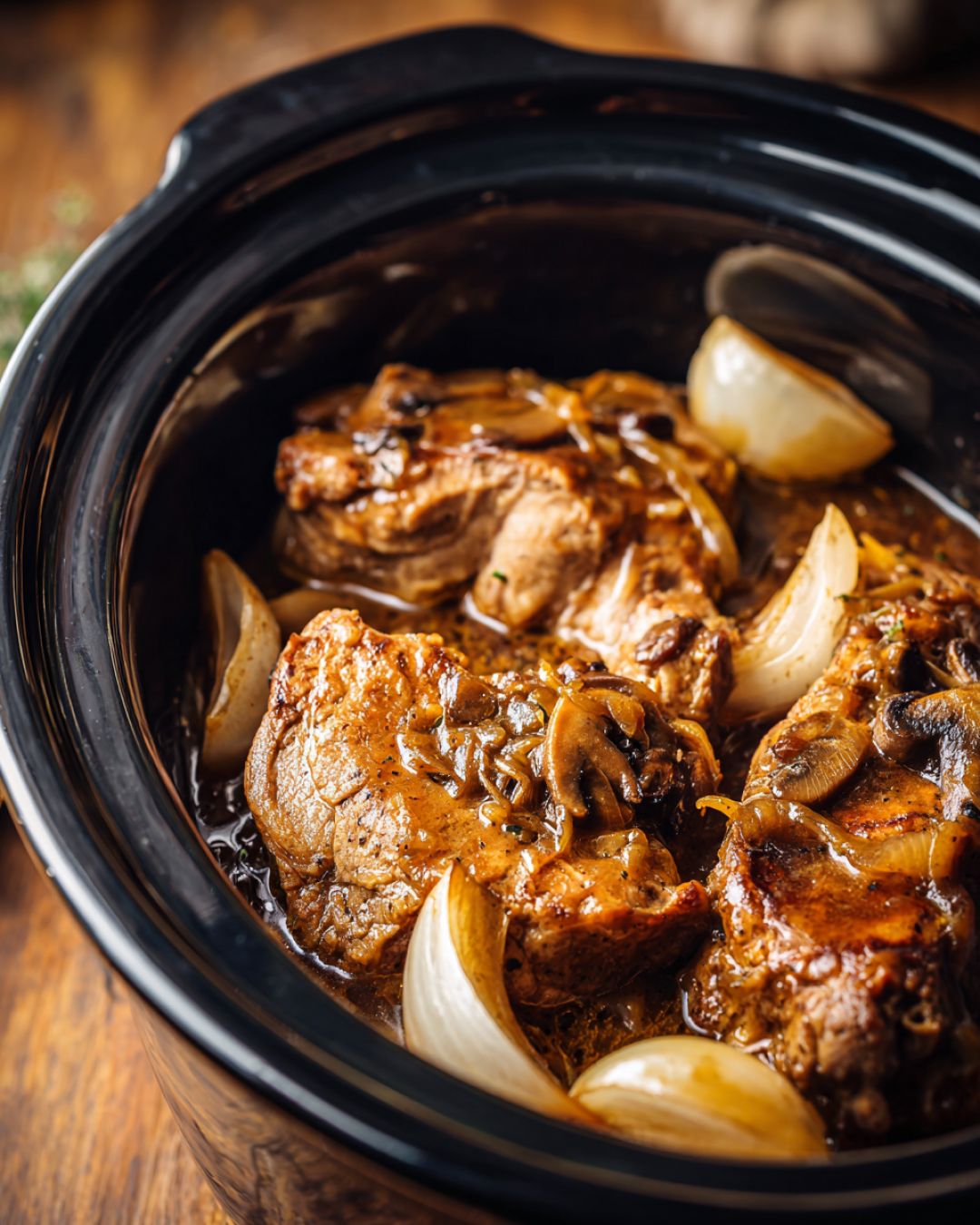
Drop sliced kielbasa over raw baby potatoes, together with 3 simple items, into slow cooker for a hearty weeknight dinner that disappears faster than anything else


I’d wonder: What does it mean? Is it a warning? A marker? A message meant only for those who know how to read it?
Turns out, it’s none of those things.
It’s something far more tender.
It’s care.
Not a Code—A Comfort
You may have seen other painted marks on trees—orange for removal, purple for “private property.” Those are signals—practical, administrative.
But white?
White is different.
White is not for humans.
It’s for the tree.
In winter, when the sun hangs low and bright against a pale sky, something quiet and dangerous can happen: sunscald.
Here’s how it unfolds:
During the day, the sun’s rays warm the dark bark, causing it to expand—just slightly, just enough.
Then night falls. The temperature plummets.
The bark cools—too quickly. It contracts.
And in that sudden shift, it can split. Crack. Peel away.
These wounds may seem small, but they’re invitations—to pests, to disease, to decay.
A tree, in its stillness, is fighting to hold itself together.
The White Coat: Nature’s Gentle Armor
So we offer help.
A coat of diluted white latex paint—nothing fancy, nothing chemical—painted up the trunk, from the base to just below the lowest branches.
Why white?
Because light reflects.
Because white doesn’t absorb the sun’s heat like dark bark does.
Because it softens the swing—from day’s warmth to night’s chill—giving the tree time to adjust, not shatter.
Think of it as sunscreen.
As a blanket.
As a quiet promise: I see you. I’ll help you through this.
🌳 It’s not decoration. It’s devotion.
How It’s Done—With Patience and Respect
The method is simple, but thoughtful:
Paint: Ordinary water-based latex paint (never oil-based—it can suffocate the bark).
Dilution: One part paint to one part water. Thin enough to breathe, thick enough to protect.
Application: A soft brush, or sometimes a sprayer for orchards—always covering the trunk evenly, especially on the south and west sides, where winter sun hits hardest.
And how often?
Just once a year—usually in late fall, before the deepest cold sets in.
The paint weathers away with spring rains, by which time the tree no longer needs it.
Nature, in time, reclaims its own rhythm.
Who Does This? And Why?
You’ll see it most in orchards—young apple, peach, or cherry trees, their bark still thin and tender.
But also in nurseries, along young street plantings, or in the yards of gardeners who listen closely to the seasons.
It’s not about control.
It’s about companionship.
It’s the recognition that we are not separate from the trees—but stewards, partners, fellow travelers through the turning year.
A Final Thought
Now when I pass a white-trunked tree in winter, I don’t wonder.
I pause.
I see the care in that soft white band—the human hand that mixed the paint, the intention that reached up on a cold afternoon, the hope that this tree will stand tall, not just this year, but for decades.
It’s a small act.
But in a world that often moves too fast, too loud—
it’s a quiet kind of love.
So the next time you see one,
give it a nod.
That tree?
It’s been tended.
It’s been seen.
It’s getting ready to leaf out again—
because someone cared enough to paint it white.
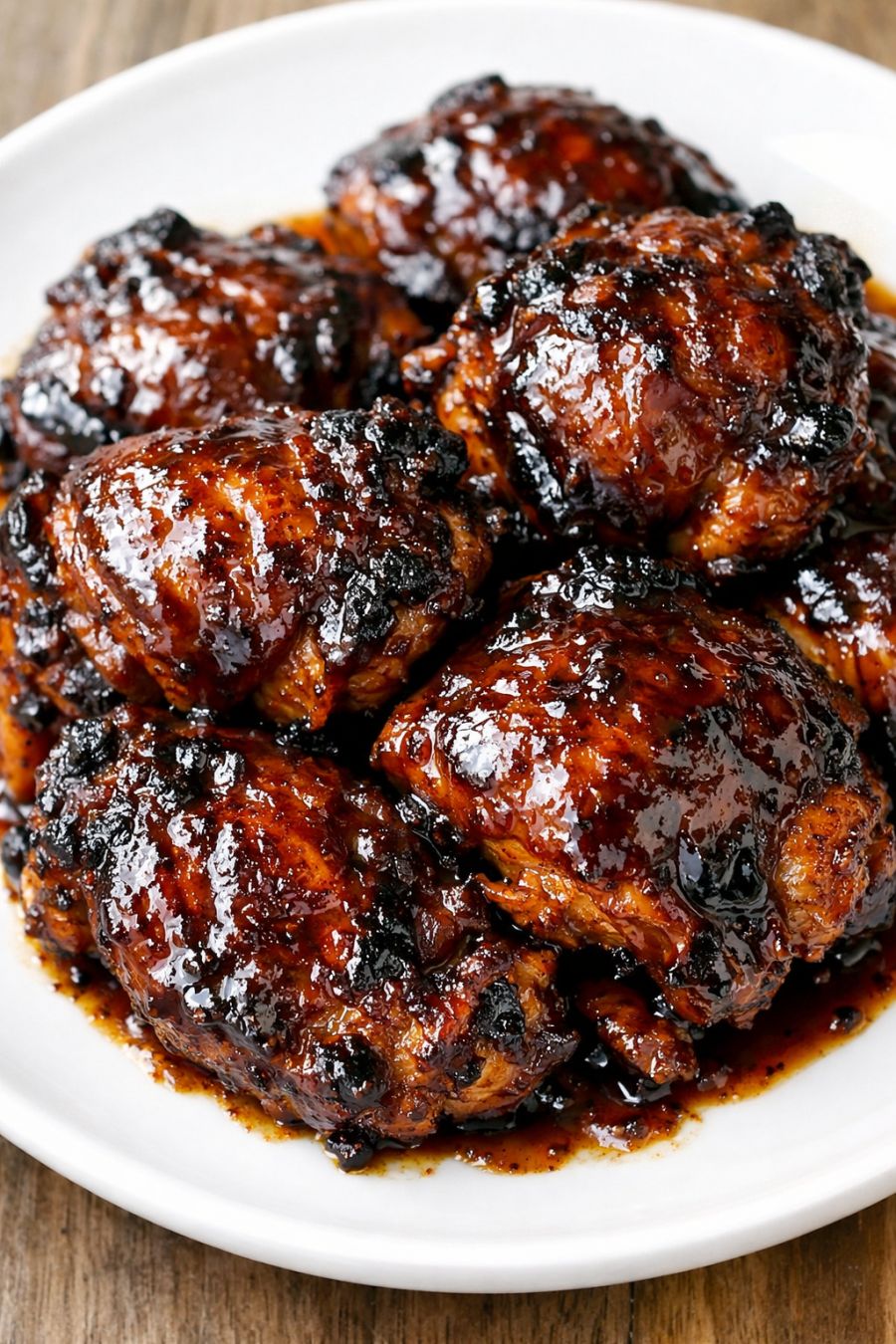
Every March, right around St. Patrick’s Day, this slow cooker Guinness chicken shows up on our table by special request from my husband. It’s one of those set-it-and-forget-it dinners that fills the house with the coziest, pub-style aroma. With only four ingredients, the Guinness slowly cooks down into the richest, darkest, stickiest sauce that clings to tender chicken thighs. It feels a little special and festive, but it’s easy enough for any busy weeknight.

“The Department of War is committed to supporting the President’s mission to address the epidemic of crime in our Nation’s capital,” Pentagon Press Secretary Kingsley Wilson said in a statement, the Washington Times reported. “There are no announcements to make at this time.”
More than 2,500 National Guard troops are currently stationed in Washington as part of the Trump administration’s initiative called “Make D.C. Safe and Beautiful,” which began in August. Their deployment was originally scheduled to conclude in 2025, but it has been extended until the end of 2026, the Times reported.
In November, two National Guard members from West Virginia were shot near the White House. Army Spc. Sarah Beckstrom succumbed to her injuries, while Air Force Staff Sgt. Andrew Wolfe is recovering from a gunshot wound to the head, the outlet noted.
In December, the U.S. Court of Appeals for the DC Circuit halted a lower court ruling that would have required the deployment to end soon. The appeals panel lifted an injunction that would have forced the Guard to withdraw by December 11.
The court’s decision came in response to a legal challenge filed by District of Columbia Attorney General Brian Schwalb, a Democrat. Trump first deployed National Guard troops to the capital on August 11 in response to rising violent crime in Washington. Since then, the district has seen the deployment of more than 2,000 Guard members.
Earlier Thursday, Judge Jia Michelle Cobb of the US District Court for DC ruled that Trump violated the city’s Home Rule Act by using Guard units for non-military crime deterrence operations. Her decision placed a 21 day stay on the order, allowing troops to remain until December 11, 2025. The stay also provided time for the Trump administration to appeal.
The White House told the Daily Mail that “Trump is well within his lawful authority to deploy the National Guard in Washington D.C. to protect federal assets and assist law enforcement with specific tasks.”
“This lawsuit is nothing more than another attempt — at the detriment of DC residents — to undermine the President’s highly successful operations to stop violent crime in DC,” White House spokeswoman Abigail Jackson said in a statement.
In her ruling, Cobb wrote that Trump’s deployment intruded on the authority of local officials and violated the Constitution. She said the president cannot call up the National Guard in DC or any state for “whatever reason [he] sees fit.”
Schwalb sued to block the deployments and asked the court to bar the White House from sending troops to the district without approval from the mayor. Trump declared a crime emergency in Washington in August.
He deployed 2,300 National Guard troops from eight states and DC to patrol the streets under the command of the Secretary of the Army. He also sent hundreds of federal agents from agencies including the FBI, ATF, DEA, and HSI to support 24 hour patrols.
The man arrested for ambushing and shooting two National Guard members the day before Thanksgiving will now face a first-degree murder charge, U.S. Attorney Jeanine Pirro said in November. Pirro announced the upgraded charge after officials confirmed that Beckstrom had died from her wounds.
Suspect Rahmanullah Lakanwal, 29, is also facing three counts of possession of a firearm during a crime of violence and two counts of assault with intent to kill while armed.
Beckstrom’s father, Gary Beckstrom, wrote on Facebook, “My baby girl has passed to glory. If I don’t talk to you don’t be offended this has been a horrible tragedy.”
The image shows President Donald Trump at the House lectern, arms wide, with Vice President JD Vance and Speaker Mike Johnson visible behind him; the headline urges Trump’s “77 Million +” voters to turn out Republican in November. The photo is from Trump’s March 4, 2025 joint address to Congress — Vance and Johnson are in their seats behind the president — and has been reused here as a generic midterm GOTV yard sign. The 77 million figure refers to Trump’s 2024 popular-vote total, not a 2026 electorate, and the card is advocacy, not reportage: it repurposes a real moment from the 119th Congress (GOP holds the House 220-215 and the Senate 53-47) for the 2026 midterms. There’s no new policy or procedure in the frame — it’s a turnout pitch. As with earlier cards, the image is authentic, the political spin is new: real photo, real Math, new campaign context.
You May Have Colon Cancer If You Notice These Warning Signs Colon cancer can develop quietly, sometimes without causing obvious symptoms in ...
Copyrights @ Tastyyummytips - Blogger Templates By Templateism | Templatelib