Top Ad 728x90

samedi 21 mars 2026

I switched my dishwasher to the air dry setting instead of heated dry for 14 days this March. This is what happened

by


I switched my dishwasher to the air dry setting instead of heated dry for 14 days this March. This is what happened


 In the pursuit of energy efficiency and reducing my carbon footprint, I embarked on a two-week experiment to see how switching my dishwasher to the air dry setting instead of the traditional heated dry would affect my daily routine and household operations. March seemed like the perfect month to conduct this trial, as the weather was mild, and my utility bill had been creeping up over the past few months.

With household appliances being a significant part of home energy consumption, I was curious about the immediate and long-term impacts of this small change. Would it save money? Would my dishes be as clean and spotless? I documented my experience over 14 days and the results were both surprising and enlightening.
1. Why I Ditched Heated Dry for Two Weeks
Heated drying is one of the most energy-intensive settings on a dishwasher, often accounting for up to 15% of the total energy use of a cycle. By switching to air dry, I hoped to cut down on my energy consumption. Additionally, the idea of reducing wear and tear on my dishes from less heat exposure was appealing.
According to the U.S. Department of Energy, using the air dry setting could save approximately 15-50% of the energy used per load. This statistic was a compelling reason to try it out, especially since my household runs the dishwasher at least five times a week. If successful, this small change could lead to significant savings over time.
2. How the Air Dry Setting Actually Works
The air dry setting on modern dishwashers typically works by ceasing the heating process at the end of the wash cycle and allowing the dishes to dry naturally through evaporation. This setting uses the residual heat from the hot water to aid in drying, combined with a fan to circulate air through the machine.
While the exact mechanism can vary between models, the general principle remains the same: utilize the heat that has already been used in the wash cycle, rather than generating additional heat solely for drying. This process is inherently more energy-efficient, albeit slower, than heated drying.
3. The First Loads: Immediate Differences I Noticed
From the very first load, I noticed that the kitchen was cooler after the dishwasher completed its cycle. With heated dry, a noticeable warmth often lingered in the surrounding area, especially if I opened the dishwasher door immediately. With air dry, this was not the case.
Another immediate observation was the extra moisture on the dishes when I opened the dishwasher. While not drenched, there was a thin layer of water on some items, particularly those made of plastic. This led me to question how effective the air dry setting would be in making dishes truly dry.
4. Did My Dishes Still Come Out Truly Dry?
Dishes made of glass and metal were mostly dry with just a few droplets, which could be easily wiped away with a towel. However, plastic items, like storage containers and lids, retained more moisture. I found myself spending a few extra minutes hand-drying these items after each cycle.
Overall, while the dishes were not completely dry, they were not significantly wetter than after a heated dry cycle. The real difference was the drying time and the occasional need for a quick towel off.
5. Spotting, Cloudiness, And Overall Cleanliness
I was concerned that the lack of a heated drying cycle might lead to spotting or cloudiness on glassware, but was pleasantly surprised. Most of my dishes came out as clean and clear as they did with heated drying.
Using a rinse aid in conjunction with the dishwasher's air dry setting helped mitigate any potential spots or film, especially on glassware. Without it, I did notice a slight increase in spotting, but it was manageable.
6. Energy Use And Utility Bill Changes After 14 Days
After two weeks of air drying, I compared my energy usage to the previous month. While the difference was not drastic, there was a noticeable reduction in my energy consumption. My utility bill was approximately 5% lower, which, while modest, indicated a positive change.
Considering the simplicity of the switch, this reduction felt like a win. Over the course of a year, this small percentage could translate to more significant savings.
7. Time Trade-Offs: How Much Longer Air Dry Really Takes
The most significant drawback of using the air dry setting was the increased drying time. On average, my dishwasher cycle took an additional 30 to 45 minutes to complete when air drying. This required some adjustment in my routine, especially when running the dishwasher in the evening.
While the extended time was initially inconvenient, I found ways to adapt, such as running the dishwasher overnight or during the day when I was not in a hurry.
8. Noise, Heat, And Moisture Changes in My Kitchen
One of the unexpected benefits was the reduction in noise levels. Without the heated dry fan running, the dishwasher operated more quietly, which was a pleasant surprise. Additionally, the kitchen stayed cooler, which was appreciated during the warmer days of March.
There was a slight increase in moisture in the kitchen immediately after a cycle finished, but it dissipated quickly. This was a minor inconvenience compared to the benefits of lower energy consumption and reduced noise.
9. Mold, Odor, And Hygiene Concerns—Real or Overblown?
A potential concern with using air dry is the possibility of mold or odors developing due to residual moisture. However, over the two-week period, I did not experience any noticeable odors from the dishwasher.
To mitigate any mold risk, I ensured to leave the dishwasher door slightly ajar after a cycle to allow for additional air circulation. This simple step seemed effective in keeping the interior fresh and dry.
10. Which Types of Loads Worked Best (And Worst) on Air Dry
Loads consisting primarily of glass, metal, and ceramic items fared the best with the air dry setting. These materials retain heat longer, aiding in the drying process. Plastic items, on the other hand, often came out wetter.
For heavily soiled loads or those containing a large number of plastic items, I found it beneficial to use a rinse aid and spread out the items to improve air circulation, which helped in achieving better drying results.
11. The Habit Changes I Made—and Whether I’m Sticking With Air Dry
Throughout this experiment, I made several habit changes, such as adjusting the timing of my dishwasher cycles and incorporating the use of a rinse aid. These adjustments were relatively minor and easy to incorporate into my routine.
Ultimately, I’ve decided to continue using the air dry setting. The energy savings, reduced noise, and cooler kitchen environment outweigh the minor inconveniences of slightly longer drying times and occasional hand drying. This experience has demonstrated that small changes can contribute to more sustainable living without sacrificing convenience.

My spouse doesn't rinse raw chicken thighs from the family pack and cooks with it straight. Doesn't seem safe. Who's right?

by


My spouse doesn't rinse raw chicken thighs from the family pack and cooks with it straight. Doesn't seem safe. Who's right?


In many households, the preparation of raw chicken is a common debate, often revolving around whether or not to rinse it before cooking. This debate is not just about cleanliness but also about safety, as raw chicken can harbor harmful bacteria. While some people believe that rinsing chicken is essential to remove potential contaminants, others trust that cooking at the right temperature will eliminate any risks. This article aims to explore both sides of the argument and provide guidance on how to safely handle and cook chicken.
Understanding the risks and best practices for handling raw chicken is crucial for preventing foodborne illnesses. According to the Centers for Disease Control and Prevention (CDC), there are approximately 1.35 million cases of salmonella infection in the United States each year, many of which are linked to improperly handled poultry. In this article, we will delve into the science, guidelines, and expert opinions to help you make informed decisions in your kitchen.
1. The Debate Over Rinsing Raw Chicken
The debate over rinsing raw chicken is primarily fueled by concerns about bacteria such as salmonella and campylobacter, which can be present on poultry. Proponents of rinsing argue that washing chicken can help remove surface bacteria and reduce the risk of contamination. However, research from the USDA suggests that rinsing poultry can actually spread bacteria around the kitchen via water droplets that splash during the washing process.
In a study conducted by the USDA, it was found that rinsing chicken can increase the risk of cross-contamination, as bacteria-laden water can travel up to three feet from the sink. This means that even if the chicken itself is rinsed clean, the surrounding area, including countertops and other foods, can become contaminated.
2. Food Safety Guidelines from Experts
Food safety experts, including those from the USDA and CDC, strongly advise against rinsing raw chicken. Their guidelines emphasize that the only effective way to kill bacteria on poultry is by cooking it to the proper internal temperature. The USDA recommends cooking chicken to an internal temperature of 165°F (73.9°C) to ensure that harmful bacteria are destroyed.
Additionally, the CDC highlights that proper handwashing and sanitizing surfaces after handling raw chicken are crucial steps in preventing cross-contamination. They recommend using hot, soapy water to clean any surfaces that come into contact with raw poultry.
3. Risks of Not Rinsing Chicken
While not rinsing chicken may seem counterintuitive to those concerned about bacteria, the risk of spreading bacteria through rinsing is greater than any potential benefit of removing surface contaminants. Bacteria such as campylobacter and salmonella are not visible to the naked eye, and rinsing only addresses surface bacteria, not those that may be more deeply embedded.
Cooking chicken to the correct temperature is a reliable method to ensure that it is safe to eat, as heat effectively kills bacteria. Trusting in proper cooking techniques reduces the need for rinsing and minimizes the risk of spreading bacteria throughout the kitchen.
4. Cross-Contamination: A Hidden Danger
Cross-contamination is a significant concern when handling raw poultry. It occurs when bacteria from the chicken are transferred to other foods, surfaces, or kitchen utensils. This can happen easily if raw chicken is rinsed and water splashes onto the countertop, cutting boards, or nearby foods.
To prevent cross-contamination, it is essential to keep raw chicken and its juices separate from other foods. Using separate cutting boards for raw meat and other ingredients can help, as can thoroughly washing hands and utensils after handling raw poultry.
5. The Science Behind Bacteria on Raw Poultry
Bacteria such as salmonella and campylobacter naturally reside in the intestines of poultry and can be present on the surface of raw chicken. Despite the presence of these bacteria, they are not harmful unless ingested in sufficient quantities. The heat from cooking is the most effective way to kill these bacteria, rendering the chicken safe to eat.
Research has shown that even a small amount of bacteria can cause illness if transferred to ready-to-eat foods or surfaces, which underscores the importance of proper kitchen hygiene and cooking practices.
6. Popular Kitchen Hacks: Do They Work?
Various kitchen hacks have circulated regarding the handling of raw chicken, such as using vinegar or lemon juice to 'clean' the meat. While these acidic substances can reduce bacteria on the surface to some extent, they are not a substitute for cooking chicken to the appropriate temperature.
Other hacks, like using salt or baking soda, may improve the texture or flavor of the chicken but do not address the underlying bacterial concerns. Therefore, relying on these methods for safety is not recommended by food safety experts.
7. The Rinsing Myth: Where Did It Start?
The practice of rinsing chicken likely stems from traditional cooking methods and the belief that washing food will make it cleaner and safer. In the past, when water quality and food safety standards were less stringent, rinsing may have been more necessary.
However, modern food safety standards and processing techniques greatly reduce the likelihood of contamination, making rinsing less relevant today. The persistence of this myth is often attributed to cultural traditions and a lack of awareness about current food safety guidelines.
8. Proper Cooking Temperatures for Chicken
Cooking chicken to the correct internal temperature is crucial for ensuring its safety. The USDA recommends cooking chicken to an internal temperature of 165°F (73.9°C). This temperature should be measured at the thickest part of the meat, ensuring that any bacteria present are effectively killed.
Using a food thermometer is the most reliable way to check the temperature, as visual cues like color or juices running clear are not always accurate indicators of doneness.
9. Cultural Practices and Cooking Traditions
Cultural practices and traditions play a significant role in how people handle and prepare chicken. In many cultures, rinsing chicken is a deeply ingrained practice, often passed down through generations. This practice is sometimes linked to religious or cultural beliefs about cleanliness and purity.
While respecting cultural traditions is important, it's also crucial to balance these practices with modern food safety guidelines to prevent foodborne illnesses. Education and awareness can help bridge the gap between tradition and safety.
10. What the Chefs Say: Professional Opinions
Professional chefs often have varying opinions on the practice of rinsing chicken. Some chefs adhere strictly to food safety guidelines and avoid rinsing, while others may rinse chicken as part of their culinary routine. However, most agree that proper cooking and kitchen hygiene are paramount.
Renowned chefs often emphasize the importance of flavor and texture in cooking, focusing on marinating and seasoning rather than rinsing. They also stress the importance of using a food thermometer to ensure that chicken is cooked to the correct temperature.
11. Making Informed Decisions in Your Kitchen
Ultimately, the decision to rinse or not rinse chicken comes down to personal preference and understanding the risks involved. By prioritizing proper cooking temperatures and practicing good kitchen hygiene, you can safely prepare chicken without rinsing.

Staying informed about food safety guidelines and understanding the science behind bacteria on raw poultry will empower you to make decisions that keep your family safe. Whether you choose to rinse or follow expert advice, ensuring that chicken is cooked thoroughly and preventing cross-contamination are essential steps in maintaining a healthy kitchen. 

Most do this wrong. 10 foods you’re storing in the wrong container

by


Most do this wrong. 10 foods you’re storing in the wrong container

In our quest to keep food fresh and flavorful, we often overlook the importance of proper storage. The containers we choose can significantly impact the longevity and taste of our food. Many of us unknowingly store certain foods in the wrong containers, leading to spoilage, loss of flavor, and even nutritional degradation.
In this article, we will explore ten common foods that are often stored incorrectly. By understanding the science behind food storage and making a few simple changes, you can extend the shelf life of your groceries and enjoy them at their best. Let's dive into the details and learn how to store these foods properly.
1. Tomatoes in Plastic: A Recipe for Ruin
Tomatoes are often stored in plastic containers or bags, but this can lead to a mushy texture and loss of flavor. Tomatoes need to breathe, and plastic traps moisture, which accelerates spoilage. Instead, store tomatoes at room temperature in a single layer, stem side up, in a well-ventilated container like a basket or a bowl. This allows air to circulate around the tomatoes, keeping them fresh and flavorful.
2. Cheese in Plastic Wrap: The Flavor Thief
Cheese is a living food that needs to breathe. Wrapping it tightly in plastic wrap suffocates the cheese and traps moisture, which can lead to mold and spoilage. Instead, wrap cheese in parchment or wax paper and then place it in a loose plastic bag. This method allows the cheese to breathe while maintaining the right level of humidity. For hard cheeses, consider using a cheese dome or a dedicated cheese storage container.
3. Bread in Plastic Bags: The Enemy of Freshness
Storing bread in plastic bags can make it go stale faster. Plastic traps moisture, which can lead to mold growth. Instead, store bread in a bread box or a paper bag at room temperature. This allows the bread to maintain its crust while preventing it from drying out. If you need to store bread for a longer period, consider freezing it in a freezer-safe bag.
4. Lettuce in Sealed Bags: A Wilting Mistake
Lettuce stored in sealed plastic bags can quickly become soggy and wilted. Lettuce needs airflow to stay crisp. After washing and drying the lettuce thoroughly, store it in a container lined with paper towels to absorb excess moisture. Leave the lid slightly ajar or use a container with ventilation holes to allow air circulation.
5. Coffee Beans in the Freezer: A Freshness Faux Pas
Freezing coffee beans might seem like a good way to preserve freshness, but it can actually cause the beans to absorb moisture and odors from the freezer. Instead, store coffee beans in an airtight container in a cool, dark place, like a pantry. This will help maintain their flavor and aroma for a longer period.
6. Olive Oil in Clear Bottles: Light's Worst Enemy
Olive oil is sensitive to light, which can cause it to oxidize and go rancid. Storing olive oil in clear bottles exposes it to light, accelerating this process. Instead, store olive oil in a dark, opaque bottle or tin, and keep it in a cool, dark place. This will help preserve its flavor and nutritional properties.
7. Nuts in the Pantry: A Rancid Risk
Nuts contain oils that can go rancid if exposed to heat and light. Storing them in the pantry can lead to a loss of flavor and nutritional value. Instead, store nuts in an airtight container in the refrigerator or freezer. This will keep them fresh and prevent them from going rancid.
8. Honey in the Fridge: A Crystallization Catastrophe
Refrigerating honey can cause it to crystallize and become difficult to use. Honey is best stored at room temperature in a tightly sealed container. This prevents moisture from entering and keeps the honey smooth and easy to pour.
9. Avocados in the Fridge: A Ripening Roadblock
Avocados need to ripen at room temperature. Storing them in the fridge before they are ripe can halt the ripening process and lead to a hard, flavorless fruit. Once ripe, avocados can be stored in the fridge to extend their shelf life for a few more days.
10. Onions in the Fridge: A Moisture Magnet
Onions stored in the fridge can absorb moisture and become soft and moldy. Instead, store onions in a cool, dry, well-ventilated place, like a pantry or a cellar. Keep them in a mesh bag or a basket to allow air circulation.
11. Potatoes in the Fridge: A Sweet Surprise
Storing potatoes in the fridge can cause their starches to convert to sugar, resulting in an overly sweet taste. Instead, store potatoes in a cool, dark place, like a pantry or a cellar, in a paper bag or a cardboard box. This will help maintain their texture and flavor.


Trump Warns Of Retaliation As Iran Strikes Mideast Energy Suppliers

by


Trump Warns Of Retaliation As Iran Strikes Mideast Energy Suppliers


 President Donald Trump warned that the United States would respond with force if Iran carries out additional attacks on Qatar, saying a potential strike could target the South Pars gas field, one of the world’s most critical energy sites.

Trump made the remarks on social media after Iranian missiles struck Qatar, escalating tensions across the region and raising concerns about global energy markets. The South Pars field is jointly shared by Iran and Qatar and is considered the largest natural gas field in the world, ET Now reported.

The latest developments come as the conflict between Iran and a U.S.-backed Israeli effort intensifies. A source familiar with the situation said the United States was aware of an Israeli strike on the South Pars facility but did not directly participate.

Qatari officials said a ballistic missile hit a key natural gas site, causing significant damage. Authorities also reported the expulsion of some Iranian embassy staff following the incident.

The conflict has already begun to impact global energy prices, with oil rising roughly 5% to more than $108 per barrel. Analysts warn that continued instability in the region could further strain the global economy.

Since the conflict began on Feb. 28, Iran has targeted energy infrastructure across the Persian Gulf and disrupted shipping routes through the Strait of Hormuz, a critical artery for global oil transport.

Casualties have mounted across multiple countries. Reports indicate at least 1,300 deaths in Iran, more than 960 in Lebanon, and 14 in Israel. The U.S. military has confirmed 13 service member deaths and approximately 200 injuries.

Israel has warned of additional Iranian missile strikes, while Bahrain has issued alerts to its citizens. Trump emphasized that Qatar was not involved in Israeli actions against Iran, calling Iran’s attack on Qatar unjustified.

International leaders also weighed in. Australian Prime Minister Anthony Albanese condemned Iran’s strikes, citing concerns over attacks on civilian infrastructure.

QatarEnergy said firefighting operations are ongoing following additional damage to liquefied natural gas facilities, though no casualties have been reported.

A summit of Gulf Arab nations concluded with a joint statement condemning Iran’s use of ballistic missiles and drones against civilian targets and calling for an immediate halt to the attacks.

The Soufan Center, a New York-based think tank, described the strike on the South Pars field as a major escalation with long-term economic consequences for the region. And additional incidents have underscored the widening scope of the conflict.

British officials reported an attack on a vessel off the coast of the United Arab Emirates that caused a fire onboard. Meanwhile, a U.S. Senate measure related to the Iran conflict failed to advance.

Saudi Arabia’s foreign minister said trust in Iran has been “shattered,” while the United Arab Emirates condemned the strikes as a dangerous escalation and shut down certain gas operations as a precaution.

Former National Counterterrorism Center Director Joe Kent said internal disagreements over the Iran conflict were not fully communicated to Trump, raising questions about decision-making processes.

Amid the escalating tensions overseas, security has been heightened in the United States, particularly in Palm Beach, Florida, where Trump maintains a residence at Mar-a-Lago, WPTV reported.

Local officials confirmed that South Ocean Boulevard near Mar-a-Lago has been closed to through traffic until further notice, citing public safety concerns. The Palm Beach County Sheriff’s Office said the measures were coordinated with the U.S. Secret Service.

“Our security posture remains fluid and is continuously evaluated based on the requirements of the protective mission and the current threat environment,” the sheriff’s office said.

Former Secret Service agent Tim Miller said increased security is expected given the current global climate. “You’re going to see proportionate increases in security at other places, too,” Miller said.

Authorities have increased law enforcement presence at several locations in the area, including religious and community centers. Officials say the measures are precautionary amid concerns about potential threats tied to the broader conflict.

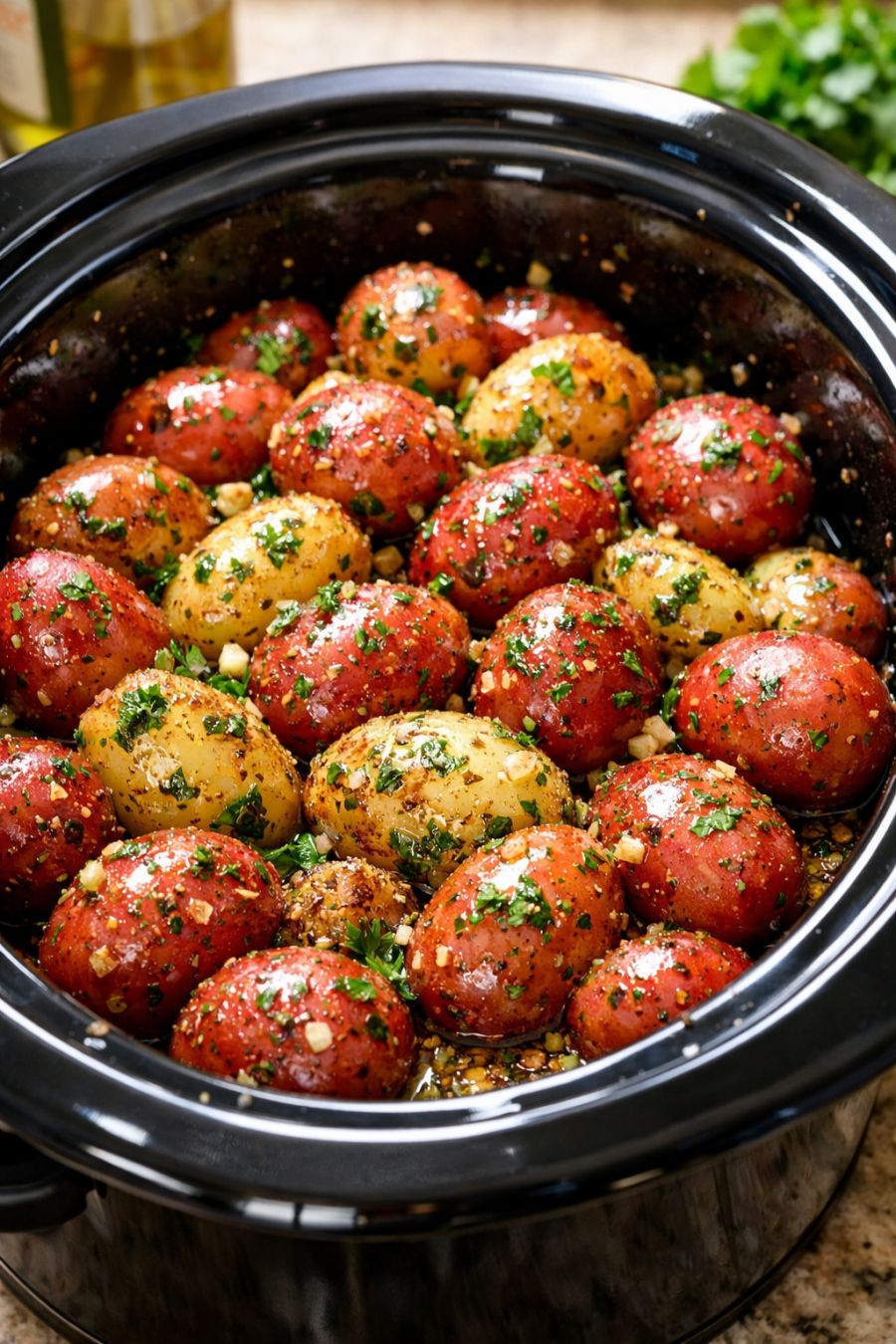
Dump this bottled Italian dressing and only 2 more ingredients over potatoes in the slow cooker for a delicious side made for winter comfort meals.

by


Dump this bottled Italian dressing and only 2 more ingredients over potatoes in the slow cooker for a delicious side made for winter comfort meals.


 Back when the kids were little and the farm days ran long, I learned to lean on my slow cooker like an old friend. These Italian herb potatoes are the kind of simple, no-fuss dish that fit right into those busy seasons—just three ingredients and the patience to let them gently bubble away while you do everything else. Using bottled Italian salad dressing is a very Midwestern kind of shortcut: practical, thrifty, and surprisingly flavorful. The herbs, garlic, and tangy vinegar soak into the potatoes as they cook, giving you something that tastes like you fussed, even when you didn’t. This is the sort of recipe you make when you want a comforting, homey side dish that doesn’t keep you tied to the stove, the kind of thing you can set up in the morning and come back to when the sun’s getting low and the house is ready for supper.

These slow cooker Italian herb potatoes cozy up nicely to just about any main dish you’d put on a Sunday table. They’re wonderful alongside a pot roast or meatloaf, soaking up the juices on the plate. They’re just as welcome next to baked chicken, grilled pork chops, or a simple skillet of fried ham. Add a green vegetable—steamed green beans, buttered peas, or a tossed salad—and a pan of warm rolls or cornbread, and you’ve got the kind of balanced, stick-to-your-ribs meal that feels right at home in any farmhouse kitchen. Leftovers reheat well and make a nice base for breakfast, served with eggs and a few slices of bacon or sausage.
3-Ingredient Slow Cooker Italian Herb Potatoes
Servings: 4–6 servings
Ingredients
2 to 2 1/2 pounds small red or yellow potatoes, washed and halved (or quartered if large)
1 cup bottled Italian salad dressing (regular or zesty)
1/2 teaspoon kosher salt, or to taste
Directions
Lightly grease the inside of a slow cooker (about 4-quart or larger) with a bit of oil or nonstick spray to help with cleanup.
Place the washed and cut potatoes into the slow cooker in an even layer.
Pour the Italian salad dressing evenly over the potatoes, then sprinkle with the salt. Stir gently to coat all the potatoes well with the dressing.
Cover and cook on LOW for 4–5 hours, or on HIGH for about 2–3 hours, until the potatoes are tender when pierced with a fork but still holding their shape.
Once done, give the potatoes a gentle stir to redistribute the dressing and herbs. Taste and adjust the seasoning with a bit more salt if needed before serving.
Serve the potatoes warm straight from the slow cooker, spooning some of the flavorful cooking juices over the top.
Variations & Tips
If you grew up with a big garden, you might like to tuck in a few extras: add a sliced onion or a handful of baby carrots along with the potatoes for more color and sweetness. For a richer, Sunday-supper feel, stir in 1–2 tablespoons of butter right before serving to give the potatoes a glossy finish. You can also sprinkle a little grated Parmesan or Romano cheese over the top, which plays nicely with the Italian dressing. If you prefer a sharper flavor, choose a zesty Italian dressing; for something milder, use a regular or light version. This recipe is forgiving—russet potatoes will work if that’s what you have, just cut them into chunks and watch the cooking time so they don’t get too soft. To stretch the dish for a crowd, add an extra pound of potatoes and a bit more dressing, then season to taste at the end. Leftovers can be browned in a skillet the next day for crispy Italian home fries, a trick that has saved many a busy morning in farm kitchens like mine.

BREAKING: Democrat Senator John Fetterman Is Pleading for his Party To End the DHS Shutdown. DEMOCRATS ARE STARVING CHILDREN.

by


BREAKING: Democrat Senator John Fetterman Is Pleading for his Party To End the DHS Shutdown. DEMOCRATS ARE STARVING CHILDREN.


 Finally, one Democrat gets it. While the rest of his party plays dangerous games with our national security, Senator Fetterman stood alone and called out the nonsense. A month-long partial shutdown means TSA lines backed up for miles, federal workers going unpaid, and critical systems left vulnerable to cyberattacks from Iran and China. This isn't leadership—it's sabotage.


The border crisis didn't start yesterday, but Democrats chose this moment to demand amnesty and open-border policies in exchange for keeping the government running. They’re holding hardworking Americans hostage to protect illegal immigration instead of protecting our country. Fetterman’s right: enough is enough. We need to fund DHS, secure the border, and stop the games.


Real patriots put country over party. Shutting down essential services hurts veterans, single moms on WIC, and everyday families who depend on a functioning government. Time to reopen operations, confirm strong nominees like Markwayne Mullin, and get back to actually governing. Americans deserve better than political theater.

 Senator John Fetterman at a hearing with a headline that says he’s “pleading” with his own party to end a DHS shutdown and that “DEMOCRATS ARE STARVING CHILDREN.” I don’t find any Senate record, hearing transcript, or credible news report where Fetterman says he’s begging Democrats to end a DHS shutdown or where he says Democrats are starving kids. Fetterman has been critical at times of Democratic tactics, but his actual quotes in 2024–2025 target political messaging (“kill” vs. “protect” Social Security/Medicare) and political campaigning — not an explicit plea to reopen DHS or an accusation of starving children. There’s no current DHS shutdown in effect, and the photo is a real committee still that’s been reused. The sub-headline is oppositional framing designed to tie Democrats to a harsh outcome. As fact-check: no such plea or statement on record; the photo is authentic; the headline is a partisan spin. The card wraps a real figure and a real appropriations backdrop around an invented quote for shareable outrage.

HELL YES! DOZENS of anti-ICE Protestors Were Arrested by Florida Deputies for BLOCKING the Road Outside the ICE Facility in Miami. Florida Doesn’t Mess Around!

by


HELL YES! DOZENS of anti-ICE Protestors Were Arrested by Florida Deputies for BLOCKING the Road Outside the ICE Facility in Miami. Florida Doesn’t Mess Around!


 Florida law enforcement just showed these anti-ICE agitators exactly what happens when you try to shut down operations and block public roads. Dozens arrested on the spot outside the Miami facility—no hesitation, no nonsense. That's how you maintain order and protect federal enforcement from lawless disruptions.


These protesters thought they could chant their way into chaos and intimidate authorities carrying out deportations. Instead, they got handcuffs and a quick lesson in consequences. Florida isn't going to let radicals paralyze immigration enforcement or endanger communities with their obstruction tactics.

Keep the charges in place and let the process run its course. Actions have real repercussions, especially when you're breaking the law to shield illegal activity. Strong leadership like this sends a clear message: America enforces its borders, and no amount of screaming will change that.

deputy handcuffing a protester near a chain-link fence and barbed wire as demonstrators hold signs that include “ICE kidnapped my neighbor”; the headline uses “HELL YES!” and “DOZENS…arrested…Florida doesn’t mess around!” to frame a law-and-order win. The photo is a real scene from a July 25, 2025 demonstration outside an ICE facility in Miami, in which nine protesters were arrested after blocking the road; local coverage and the Miami-Dade PIO described portable handcuffs and warnings before arrests. I don’t find reporting for a fresh event with “dozens” arrested — the latest verifiable incident is the nine-arrest case. The card keeps the authentic photo but swaps in a bigger number and today’s headline cadence. Florida officials have indeed taken a hard line on protest obstruction, especially at ICE sites, and deputies tend to give orders and then arrest for blocking roadways. The political valance here is cheerleading enforcement, and the copy’s framing is advocacy — real photo, real Florida posture, but “dozens” overstates the documented event and the image is a year old. As a reader, receive it as a true vibe, false headline count: arrests happened, number inflated, image reused.